

 Back to Blogs
A Guide to Finding the Best Windows for Cold Weather

You might think of windows as natural weak spots in your home’s thermal envelope, especially if you feel a chill each time you walk by a big window in your living room or dining room! But that doesn’t have to be the case. Some windows, in fact, can do a stellar job of keeping heat indoors and keeping wintery winds outside where they belong.
The key lies in window frame, glass, and type. Today, let’s break down the best windows for cold weather in Wilmington and beyond!
Window frames – how they affect window sealing
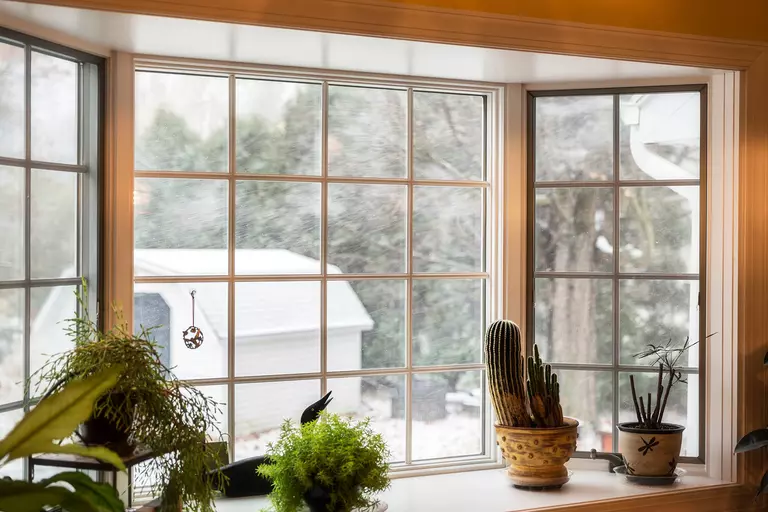
No matter what windows are throughout your home, their frames will affect whether they’re good insulators or weak spots where warm air escapes all day (and night) long. After all, a window’s frame determines how it fits into your house, whether the seal is airtight, and more.
Excellent window frames will prevent heat from escaping, especially if they're made with the right materials and installed by experts. That's why you should always have specialists install new windows on your property, particularly in winter.
Which window frames should you choose?
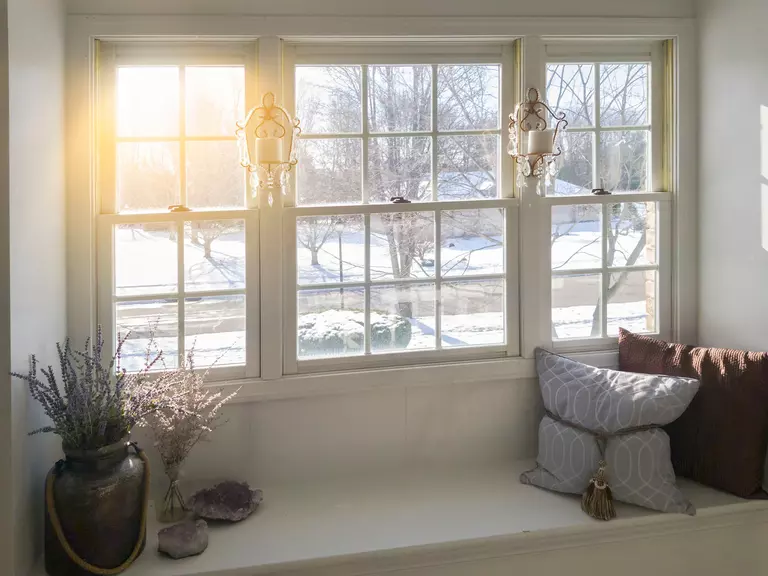
When it comes to window frames, you can pick between several different materials, such as:
- Wood, which looks great but requires a lot of maintenance on your part. You'll have to apply protective coatings to wood frames to safeguard them from pests and water.
- Vinyl, which can last for decades and doesn't require nearly as much upkeep as wood. Even better, you can combine wood and vinyl in a single window frame with vinyl-clad frames – they feature wood cores for superior insulation and vinyl shells for extra protection.
- Fiberglass, which is a little more expensive than vinyl. But this frame material is also resilient and insulating, so it’s another stellar choice for winter weather windows.
Whatever you do, don’t choose windows with aluminum frames! Aluminum is a terrible choice for cold climates since it’s a poor insulator.
Window glass – understanding heat transfer

Window frames are certainly important. But each window’s glass also affects its heat transfer and its resistance to cold – plus other things, like visibility, UV ray transmission, and more.
These days, many high-quality windows are constructed with several panes of glass. Those windows further feature insulating gas, like argon or krypton, between those glass panes. The gas acts as an effective barrier for heat, preventing warmth in the air inside your house from transferring through the glass to the outside.
The more barriers you have between your home’s interior and the cold winter outside, the better a given window will be at preventing heat loss! To minimize heat loss in the winter, make sure all of your home’s windows have at least two panes of glass.
The ideal window glass for cold weather

The best window glass for cold weather has specific attributes (which should be labeled on the package or display). These are:
- A high R-Value, which tells you how well a window insulates. A higher R-Value is always better, and windows for colder climates generally have to have an R-Value of 13–21.
- A low U-Factor, which tells you how good a window prevents heat loss. Unlike R-Values, lower U-Factors are better than higher ones. Look for windows with U-Factors of 0.27 or lower.
- A high solar heat gain coefficient or SHGC. A higher SHGC tells you that a window lets more solar heat inside, which is always a good thing in the chilly winter months!
A window with all three of those factors in their ideal ranges will do an amazing job of keeping your home nice and toasty in the coldest season of the year.
So, what are the best windows for cold climates?
As you can see, window type doesn’t matter nearly as much as its construction, how many panes of glass a window has, and whether the window is rated for energy efficiency.
That said, some window types could be better choices in general because of their shapes or whether they’re designed to open. If you're thinking about replacing several windows throughout your property, the window types below might be ideal picks for their winter resistance.
Picture windows

Picture windows are large and great for letting in lots of natural light. At first glance, you might think that they aren’t suitable for winter weather. But picture windows don’t open – so long as a picture window is fitted into its frame properly and it’s made of the right glass. It’ll give you a spacious view outside without making a given room chillier than is comfortable. Window World of Port City’s Picture Windows are perfect examples of these options.
Single-hung windows
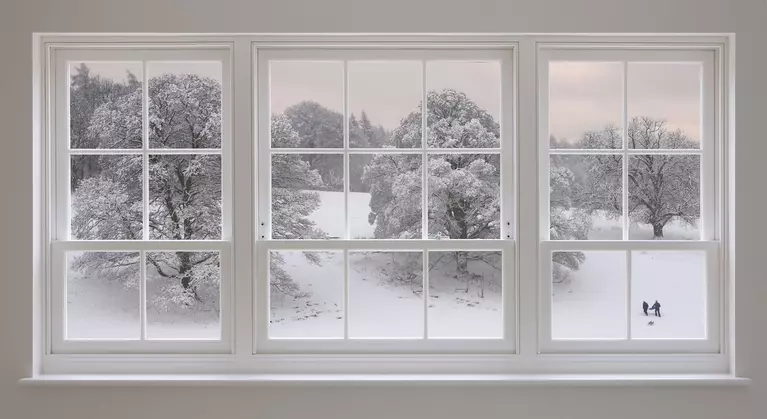
Single-hung windows do open, but only in one direction (from the bottom). Thus, single-hung windows are superior choices compared to double-hung windows in the winter since their top sections are totally sealed into their frames. Still, these windows let you enjoy a nice breeze in spring or summer.
Architectural shape windows
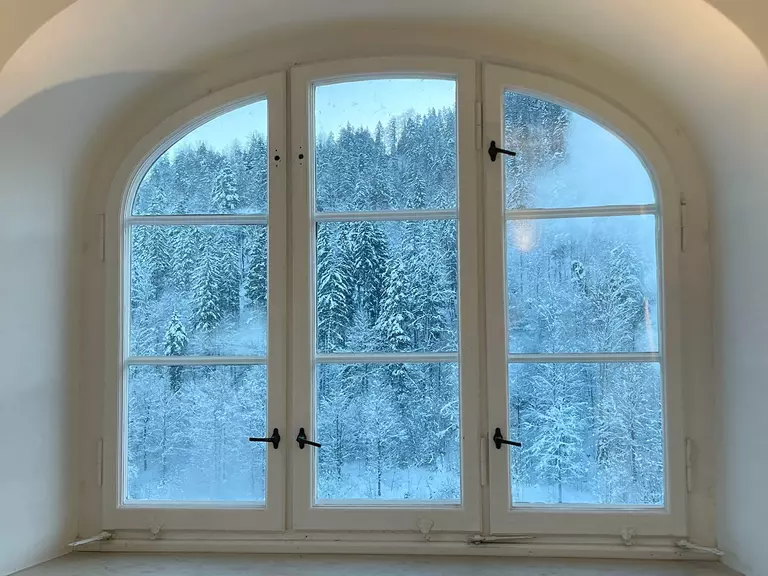
Windows in architectural shapes can complement your house’s style or aesthetic and can be designed to open or remain permanently closed. These can be great accents to a given room and let in some more light by replacing a section of wall, all without making that room colder or significantly affecting its insulation.
With lots of different window types to choose from, it’s certainly a wise idea to see a few options in person. Window World of the Port City’s showroom is just the place to visit – stop by to check out a variety of excellent windows for cold weather, or contact us online to speak to a specialist about quotes, installation, and more!